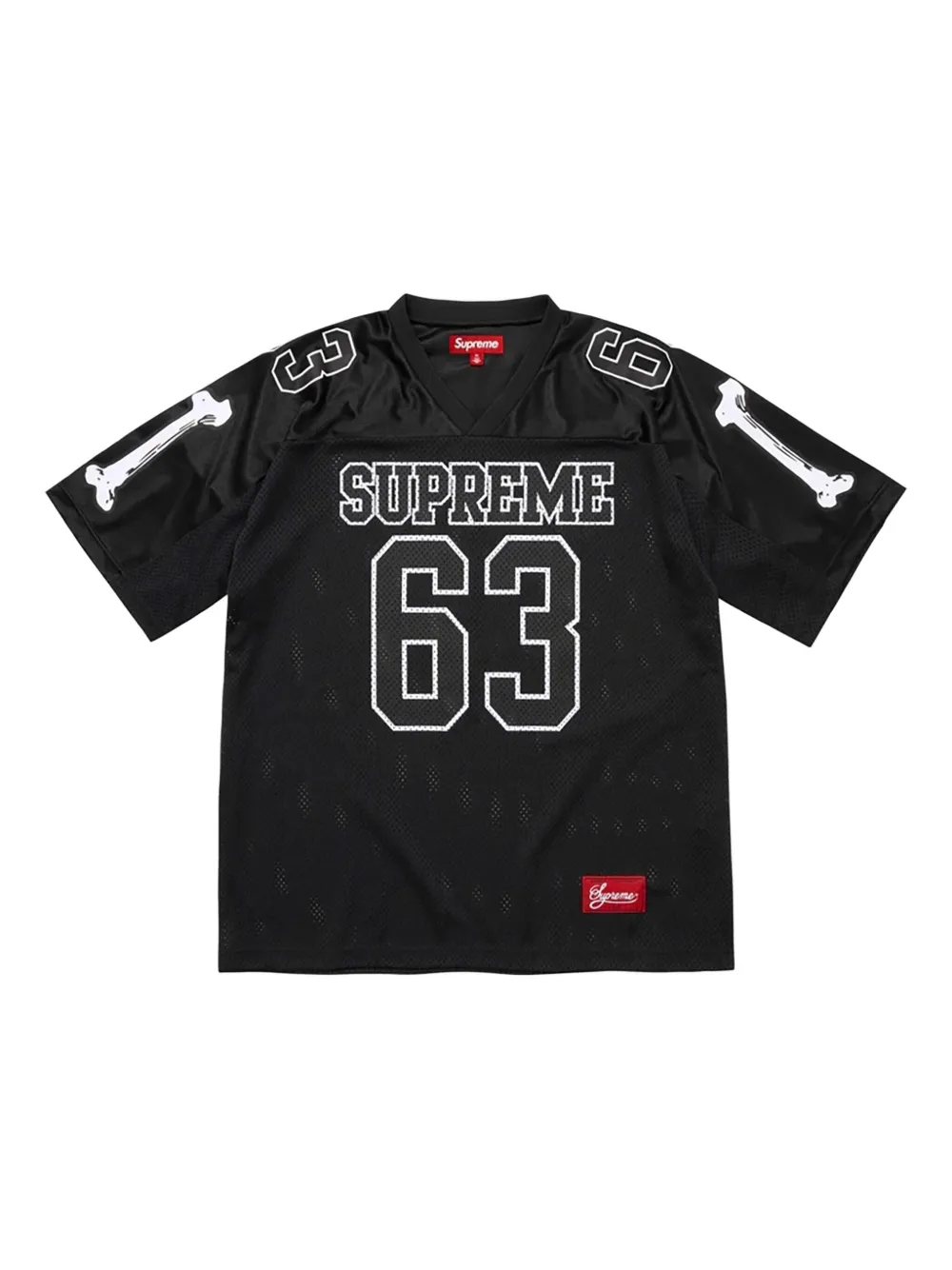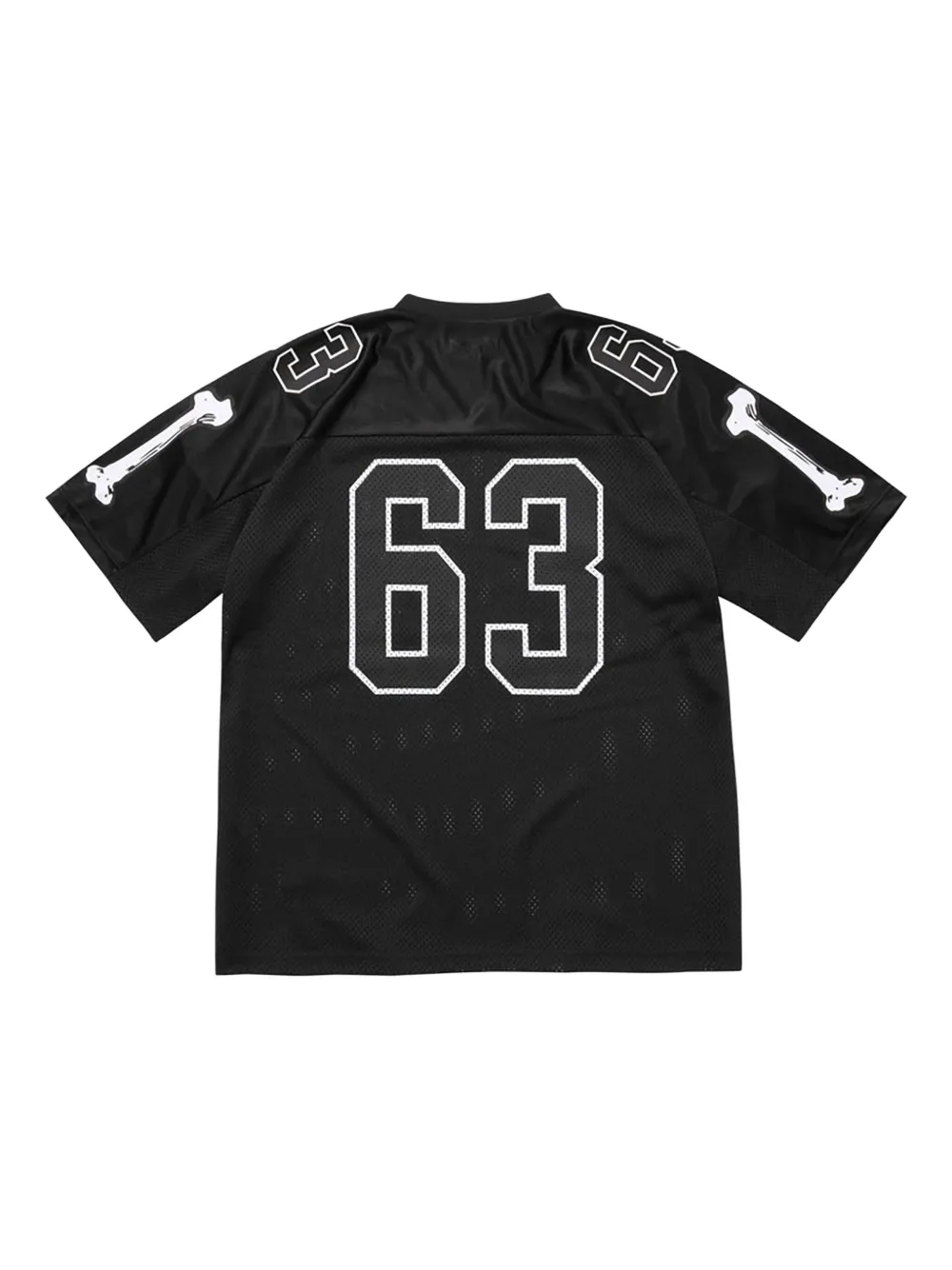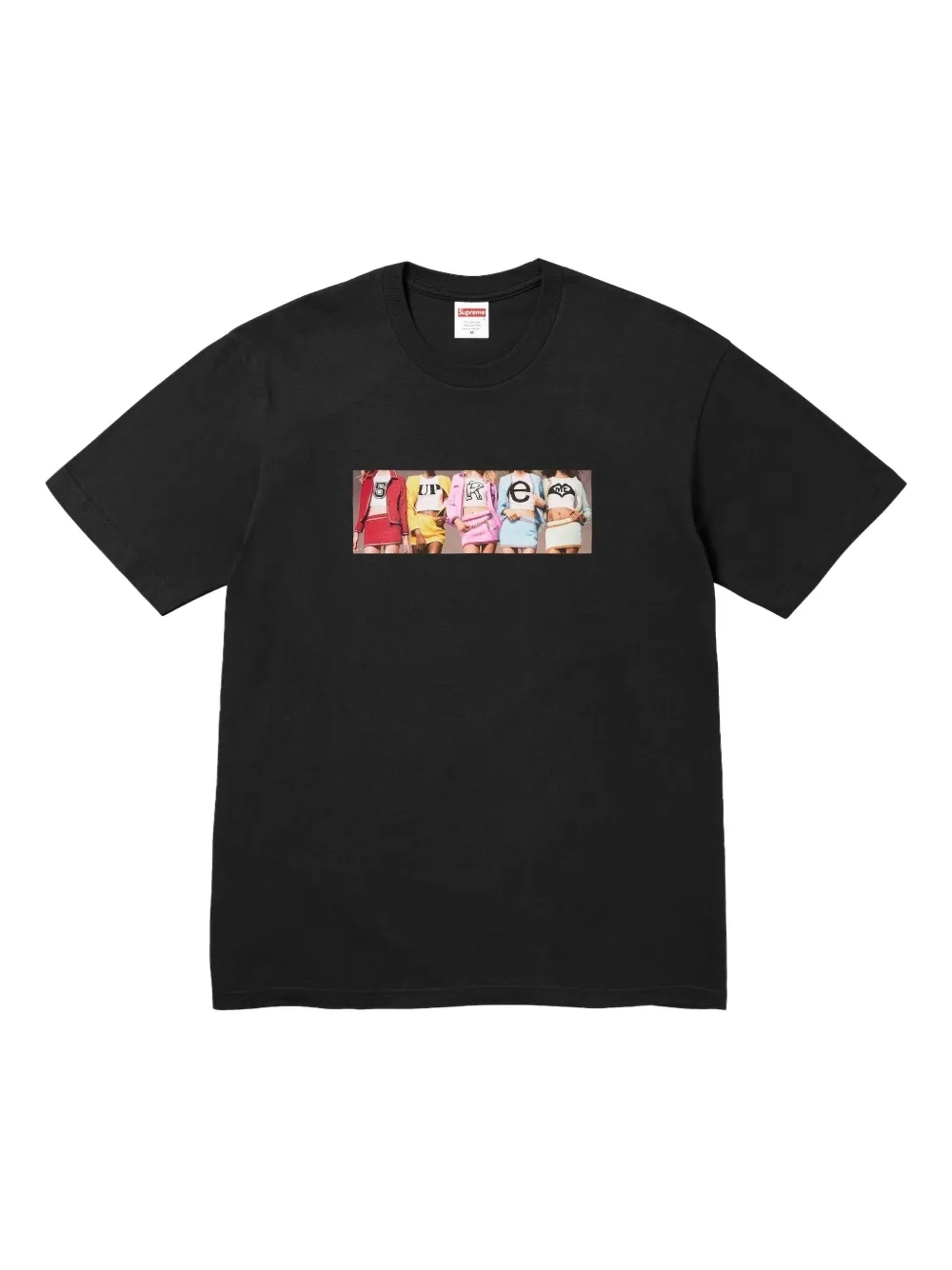
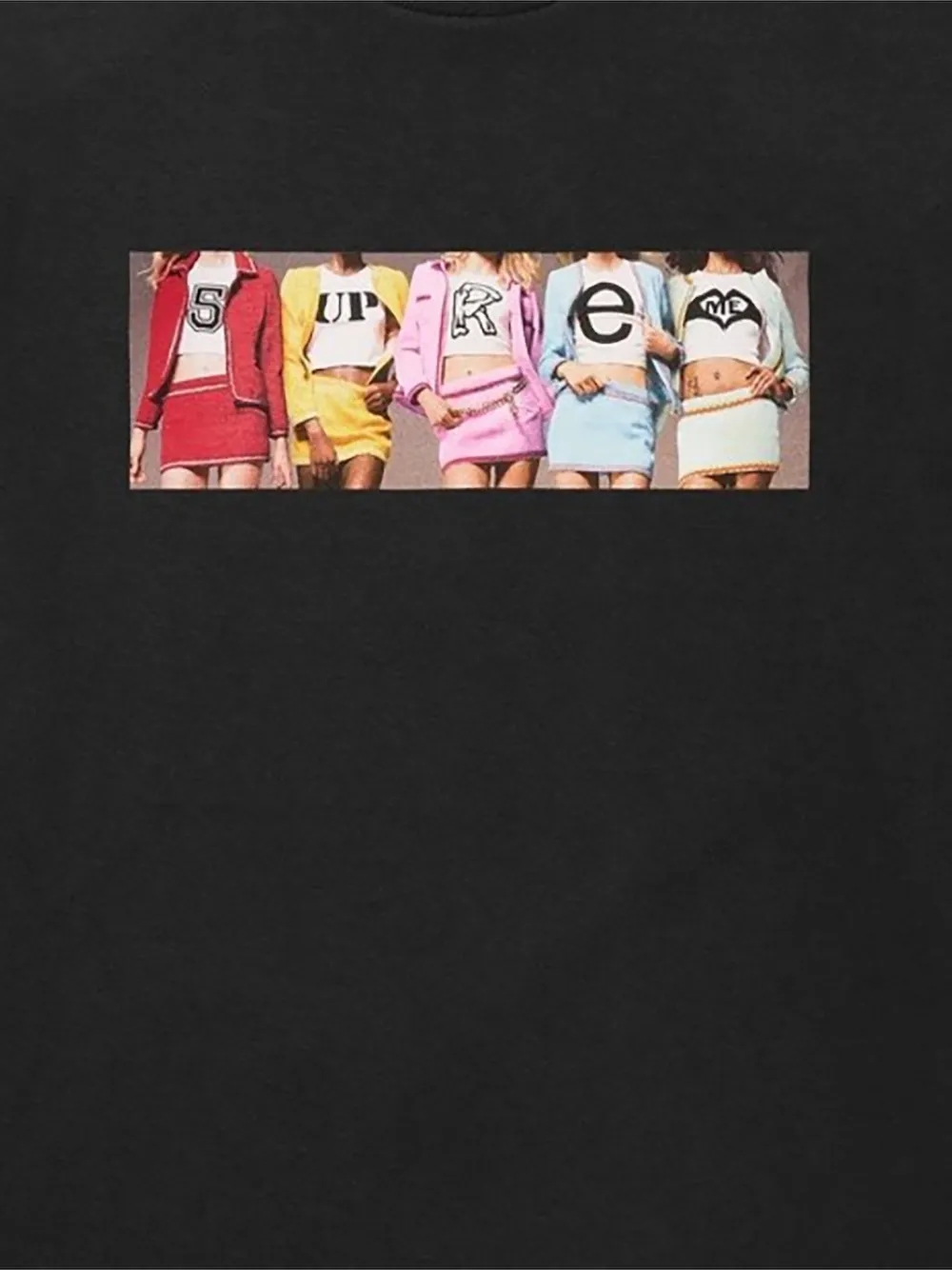
 New
New
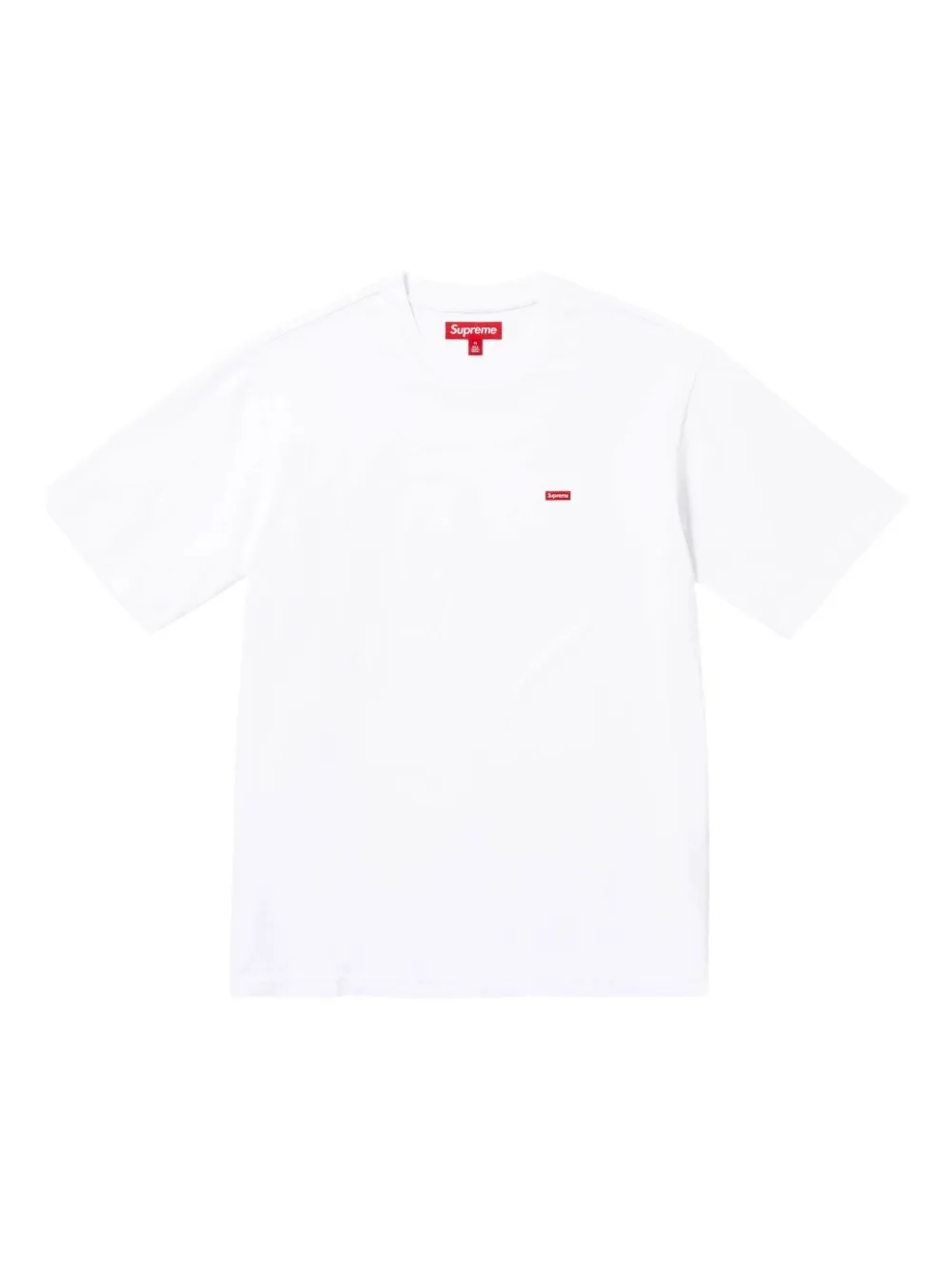
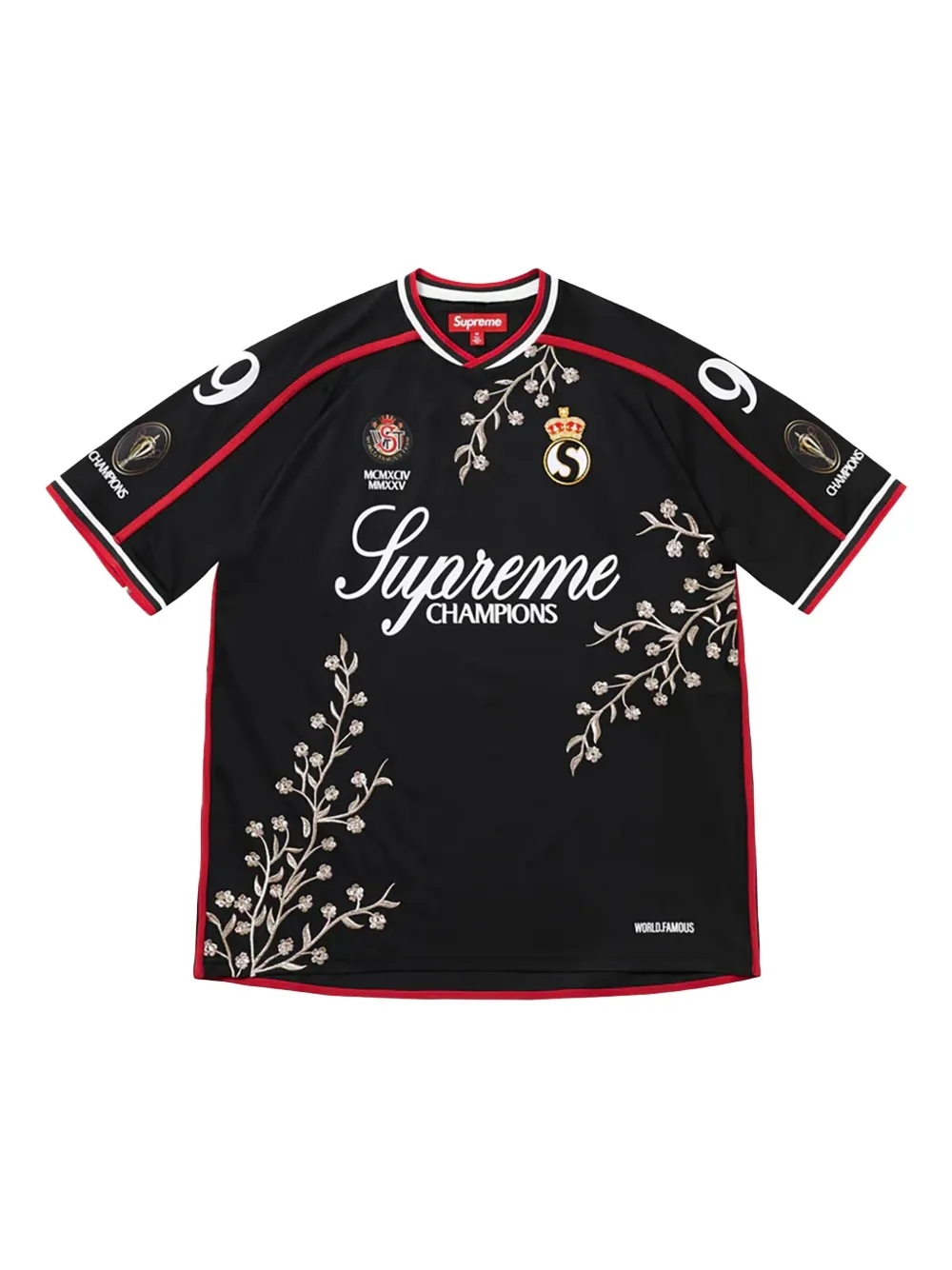
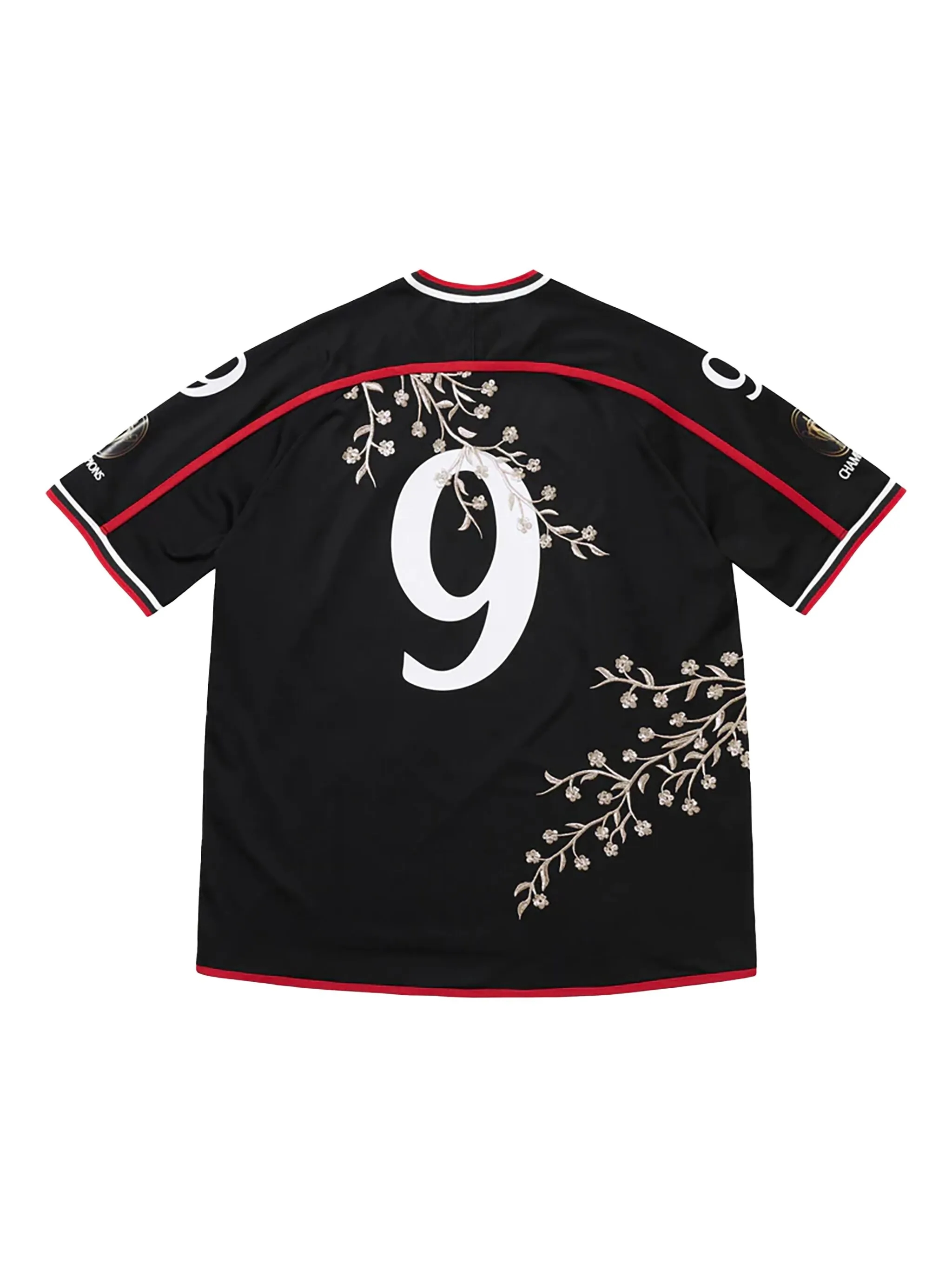
Supreme Girls T-shirt
$148
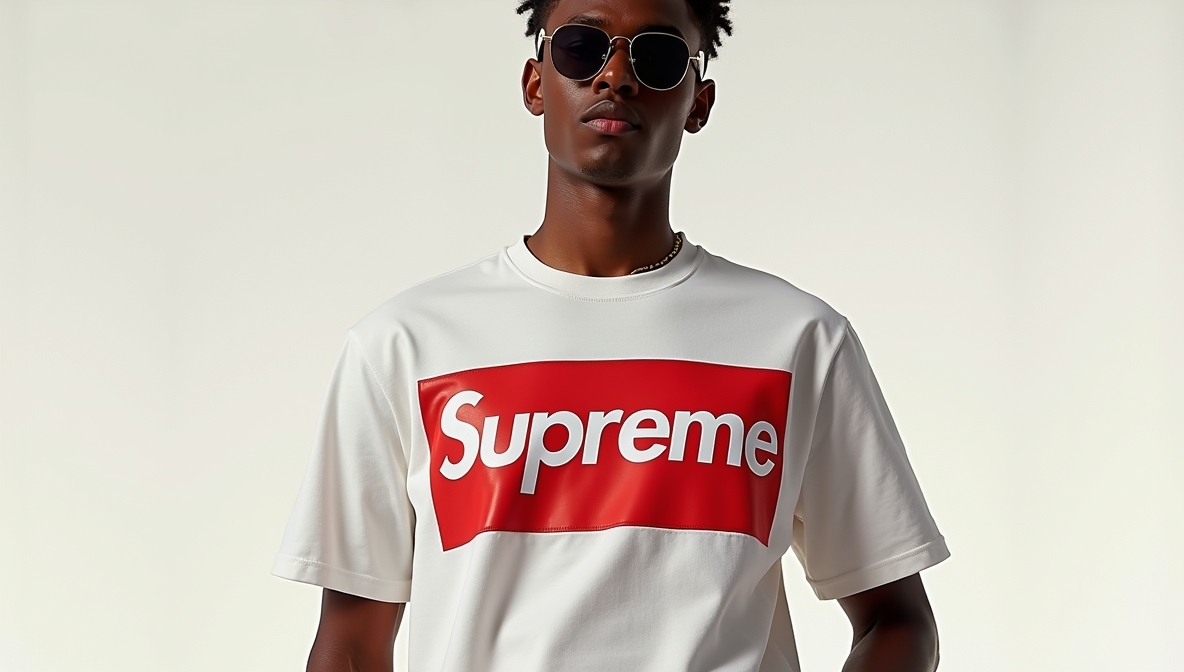
Supreme is an American streetwear brand founded by James Jebbia in New York City in April 1994. Jebbia was born in England in 1963 and moved to the US at age 19. Before Supreme, he worked at Parachute store and co-founded Union NYC.
The first Supreme store opened on Lafayette Street in Lower Manhattan as a small skate shop. The store layout was designed to accommodate skateboarding inside. The iconic red box logo with white Futura Heavy Oblique font was inspired by artist Barbara Kruger's work.
Supreme invented the drop retail model — releasing limited products every Thursday. The brand releases two collections per year: spring/summer and fall/winter. Items typically sell out within minutes of release. Resale prices often increase 10 to 30 times the original retail price.
Supreme expanded to Japan in 1998, opening stores in Tokyo, Osaka, and Fukuoka. The Los Angeles store opened in 2004 on North Fairfax Avenue. The London location opened in 2011 on Peter Street in Soho.
Supreme has collaborated with luxury brands including Louis Vuitton, Burberry, Comme des Garçons, and Tiffany & Co. The 2017 Louis Vuitton collaboration was the first partnership between a luxury fashion house and a skateboard brand.
The brand works with visual artists such as Damien Hirst, Takashi Murakami, Jeff Koons, and Richard Prince. Musical collaborations include Public Enemy, Slayer, Black Sabbath, and Aphex Twin. Supreme partners with Nike, Vans, and The North Face for footwear and outerwear.
| Year | Milestone |
|---|---|
| 1994 | Supreme founded in NYC |
| 1998 | Japan expansion |
| 2017 | Louis Vuitton collaboration |
| 2018 | CFDA Menswear Award |
| 2020 | VF Corporation acquisition ($2.1B) |
| 2025 | EssilorLuxottica ownership |
In 2018, Supreme won the CFDA Menswear Designer of the Year Award. In 2020, the Supreme x Oreo collaboration cookies sold for over $91,000 on eBay after retailing for $3. VF Corporation acquired Supreme in 2020 for $2.1 billion. In 2025, EssilorLuxottica (owner of Ray-Ban) became the new parent company.
Supreme has produced two full-length skate films: Cherry (2014) and Blessed (2018). The target audience includes skaters, collectors, hypebeasts, and streetwear enthusiasts. Supreme remains a symbol of scarcity, hype culture, and the bridge between street culture and high fashion.
We specialize in the Supreme clothing brand and present it with the same discipline Supreme brings to each Thursday drop. My job is to make the chaos of hype simple: verified pieces, clear data, and fast service, all in one focused place.
I built our framework around the way Supreme actually works. Founded by James Jebbia in New York in 1994, the supreme fashion brand still runs on short, scarce releases, two big seasons a year, and collaborations that vanish in minutes. Our team translates that into an organized catalog, documented authenticity, and predictable service standards, so you can choose confidently.
Supreme started as a skate shop on Lafayette Street, then rewrote retail with weekly drops and museum-level collaborations; that pairing of grit and prestige is the value you’re buying. We surface that context for every piece we list.
The red box logo in Futura Heavy Oblique nods to Barbara Kruger. The brand expanded to Japan (Tokyo, Osaka, Fukuoka) by 1998, then Los Angeles (Fairfax) in 2004 and London (Soho) in 2011. Collaborations span Louis Vuitton (a first between a luxury house and a skate brand in 2017), Burberry, Comme des Garçons, Tiffany & Co., Nike, Vans, and The North Face, plus artists like Damien Hirst, Takashi Murakami, Jeff Koons, and Richard Prince, and music icons from Public Enemy to Aphex Twin. Supreme won CFDA Menswear Designer of the Year in 2018. The culture is fast: items sell out in minutes and resale can run 10–30x retail. Even food crossovers, like the Oreo collab, saw listings spike to extreme numbers. We include these milestones because they shape demand and pricing you’ll see here.
Every item is vetted through a documented, multi-step process before it appears as supreme clothing for sale on our catalog. I designed a 28-point checklist and I still audit it weekly.
Verification covers labels (neck tags, care tags, country codes, season markers), construction (stitch density, rib weight, hardware stamps), graphics (ink absorption, registration, and puff/gel effects where used), packaging (retail bags, stickers, accessory cards), and data (SKU/season cross-check against release archives). We blacklight for optical thread, inspect hems for interior overlock signatures, and measure fabric weight on fleece and tees. My latest audit: 312 inbound units, 11 failed primary checks (3.5%), 6 failed secondary checks (1.9%); those never reach the site. Only items that pass both rounds are listed as supreme clothing.
We run two independent authentications and attach a results summary to each product page. I also spot-check random orders from live inventory.
The first pass is physical: tag font and spacing, neck tape angle, eyelet finish on hoodies, drawcord tip type by season, zipper stamp, and print edge behavior. The second is data-driven: season code mapping (SS/FW + year), drop-week context, lookbook/preview alignment, and known variant notes. I tested 50 box logo items in a week: 50/50 passed round one; 48/50 passed round two; the two flagged pieces were pulled for parts-per-fiber testing and rejected. You get a concise report with season, material, weight, and our check outcomes.
Our catalog mirrors how Supreme releases are built: supreme shirt staples for graphics, the supreme hoodie as the platform for fleece and seasonal logos, supreme shorts for summer drops, and supreme pants for workwear and technical silhouettes.
For each category we store season code, color name as released, fabric composition, and a short origin note. Shirts: cotton jersey with consistent collar rib height by season. Hoodies: heavyweight fleece, typical 430–470 GSM, rib and pocket bar-tack checks. Shorts: nylon, mesh, or cotton twill; note inseam lengths. Pants: carpenter, track, chino, cargo; hardware and label placement differ by model. This structure helps you compare supreme brand clothing across years without guesswork.
Use our size guidance that maps measured specs to body metrics; I base it on in-hand samples from multiple seasons. I include tolerances so you can choose fast.
Shirts: most tees fit true; shoulder width is the decider. Hoodies: many run boxy; body length can be short relative to width, especially in vintage seasons. Shorts: nylon and mesh fit roomy; cotton twill is closer to waist size. Pants: work pants run straight and slightly large; track pants are elasticated with more ease. We also show actual garment measurements for the specific piece you’re viewing, not just a generic chart.
We organize inventory around Supreme’s Thursday release cadence so you can track what likely appears and when. I post a weekly digest that aligns our listings to the spring/summer and fall/winter flow.
You’ll see “Week Tag” metadata and season codes on product pages. When Supreme runs a heavy collaboration week, we reflect that in our curation and surface pairs or sets together. While we are not the Supreme store, we mirror the tempo responsibly: no countdown gimmicks, just accurate availability status and time-stamped updates. Most verified pieces added mid-week; newly authenticated items appear with a “New This Week” label for seven days.
Pricing is transparent: we display our cost basis, fees, and margin window, then lock it for a set period so you’re not chasing a moving target. When we mark down, we label it clearly as a supreme sale.
Our “outlet” filter is an archive view with season-old inventory, light cosmetic box wear, or overstock—still authenticated, still described in full. It gives you a practical way to navigate premium pieces without the typical frenzy. Expect rare sale windows at the end of each major season phase and after large collaboration spikes. We avoid artificial “flash” mechanics; discounts are data-led.
We ship quickly, pack securely, and keep returns simple. My benchmark is traceable dispatch within 24–48 hours on cleared orders, and we hit that target on more than nine out of ten shipments.
Every order leaves in tamper-evident packaging with moisture control and a condition photo taken at packing. Returns: 14-day window on unworn items in original state; authenticity disputes are prioritized and handled case-first, not queue-first. You get a single point of contact from our support desk for any order, with inspection notes on request. This is how a specialized supreme online store should work.
Knowing the references adds value to the garment in your hands. We tag cultural context so your supreme clothing isn’t just a SKU—it’s a story with receipts.
Supreme’s skate films Cherry (2014) and Blessed (2018) anchor the brand’s roots. Awards like the 2018 CFDA win highlight its fashion impact. Collaborations with Louis Vuitton, Burberry, Comme des Garçons, Tiffany & Co., Nike, Vans, The North Face, and artists from Damien Hirst to Murakami define specific seasons and print techniques. VF Corporation’s 2020 acquisition at $2.1B explains the scale. We log these notes on each product page when relevant so collectors, skaters, and first-timers read the same playbook.
If you’re torn between two sizes in a supreme hoodie, choose by shoulder and body length, not chest width—the boxy cut can mislead. I measure shoulder seam-to-seam first, then verify the pocket height and rib length; this predicts the silhouette better than chest alone.
I’m Dana Cristina Straut. With a background in Fashion Journalism and Business Law, I started as an editorial assistant in London and have covered streetwear since 2012. I test every checklist we use here and I audit live inventory weekly. Connect with me: LinkedIn.
Yes. Each piece passes two independent checks: a physical inspection (tags, construction, graphics, packaging) and a data check (season codes, SKU, release context). Items that fail at any step are rejected and never listed.
Most cleared orders dispatch within 24–48 hours with tracking. We photograph the item at packing and use tamper-evident, moisture-controlled packaging.
We accept returns within 14 days on unworn items in original condition. Authenticity-related returns are prioritized; we attach inspection notes to your case.
We mark down selectively and label those listings as a supreme sale. Our "outlet" filter surfaces authenticated archive and overstock pieces with transparent condition notes.
Use the category measurements on each page. Shirts fit true with attention to shoulders; hoodies run boxy; nylon and mesh shorts run roomy; work pants fit straight and slightly large. We publish the actual garment specs for the exact item you're viewing.